
There is a point in every photographer’s life where they are happy with what they own, and excited and inspired by the gear they already have. That feeling rarely lasts, as no tool does everything. In the first part we saw my journey to Leica, as many photographers transition. In this we will see if the promise of Leica is fulfilled, and if the cost of entry is worth it. When I went Leica prices were far less than they are now, and still prohibitively expensive. The system itself has matured, and my opinions must be taken in the context of 2018. So, let’s see what happens when you get what you ask for…
2018-2022
I had been using my Leica Q a little more towards the end of 2017, back then a fixed lens camera was a novel idea (before the hype of the X100V) and still it felt like £3,000 worth of jewellery around my neck. The Image quality was superbly clean, which at the time wasn’t my thing. The body was sleek, but off-balance — front heavy from the f/1.7 Summilux. The anodised black finish was Apple Store elegance, but slippery in the hand. To me, it wasn’t a camera. Not the way the M2 was, not the way the M9 was. You have to remember, at this point basically all my digital cameras bar the X-Pro2 were single card slot. This was the norm, unless you were shooting DSLRs, and I had yet to place the importance of what I was making into the category that demands backups. Therefore, I never saw the single slot as a weakness, but it sums up how seriously mirrorless was taken back then. In fact, I am pretty sure the only Leica with dual slots is the SL, and in retrospect that says everything about how Leica is viewed and treated. I was heavily invested into a system that cared not for archival, nor for field operation, and that became almost immediately obvious. Everything I loved about my 1960 M2, did not exist in 2018.
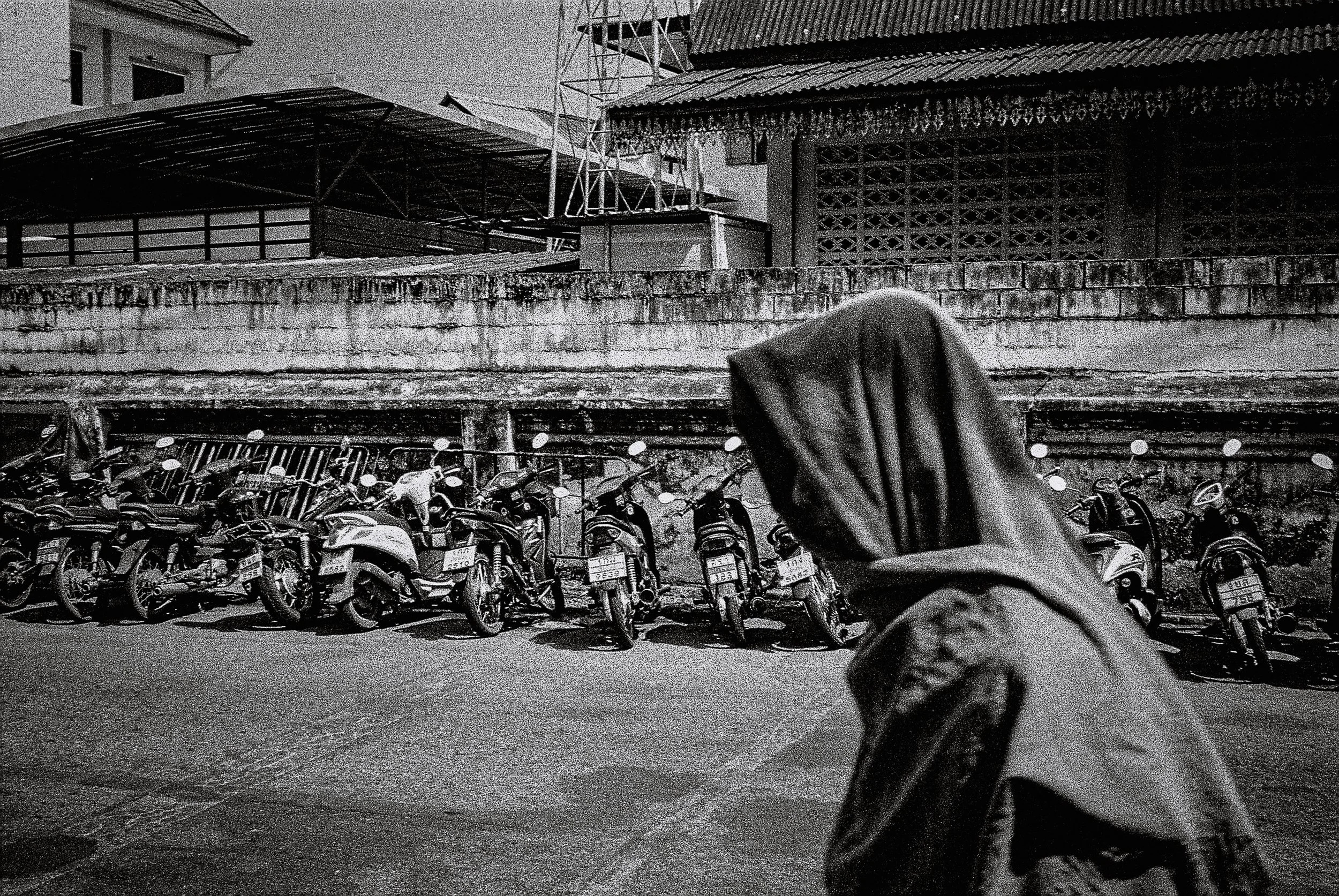
© David Roberts | Chiang Mai, Thailand 2018 | Leica Minizoom | Leica Vario Elmar 35-70mm | Ilford HP5 Plus 400
At this time I would rather cut off my leg than regress to DSLR, mirror slap and the weight of a tombstone around my neck. Don’t get me wrong, the mirror isn’t great but not inherently the problem. I had by this point enjoyed using SLR cameras, especially pre-Spotmatic Pentax models such as the S1a, S2 and SV. These Pentax cameras were a fraction the weight and size of a 5D, 1DX or similar, and to me DSLR seemed like a steam train, without the charm. I looked to Mirrorless offerings, but it seemed like it was stuck in the phase where technology got fractionally cheaper, or made its way down to base models, not necessarily any better. Was I happy with my Leicas? I wasn’t sure, for a moment I certainly was. There is a liberation that comes from being able to fit all my gear into my Billingham and have room to spare, no need for a Pelicase or towel-wrapped check-in. That was freeing. Zero lag when turning the camera on, due to the rangefinder of the M9 is still something I crave to this day. The moment you press that shutter its ready to take the image. I was also delighted to get that “Leica look,” suddenly (and with minimal effort) my images began to look like what you see on gallery walls. I enjoyed that, for a moment. Then I would take the camera outside, and have to deal with rangefinder glare. I’d realise that whilst my images looked the same as those classic photographers, there was no other way to shoot. Parallax meant that nothing could come into focus under a meter so everything looked the same (at 50mm and a metre away). When I started retroactively putting my images into zines and projects, I began to think a little bigger. I began to think that my images needed backing up, what good is catching the decisive moment if a card fails? What good is f/8 and being there, when a simple SD card is the weak link in a multi-thousand dollar chain? Suddenly I missed my X-Pro2. Just as I dismissed DSLR, I dismissed going backwards to APS-C. My mind was set. I was done with digital, and with 35mm.
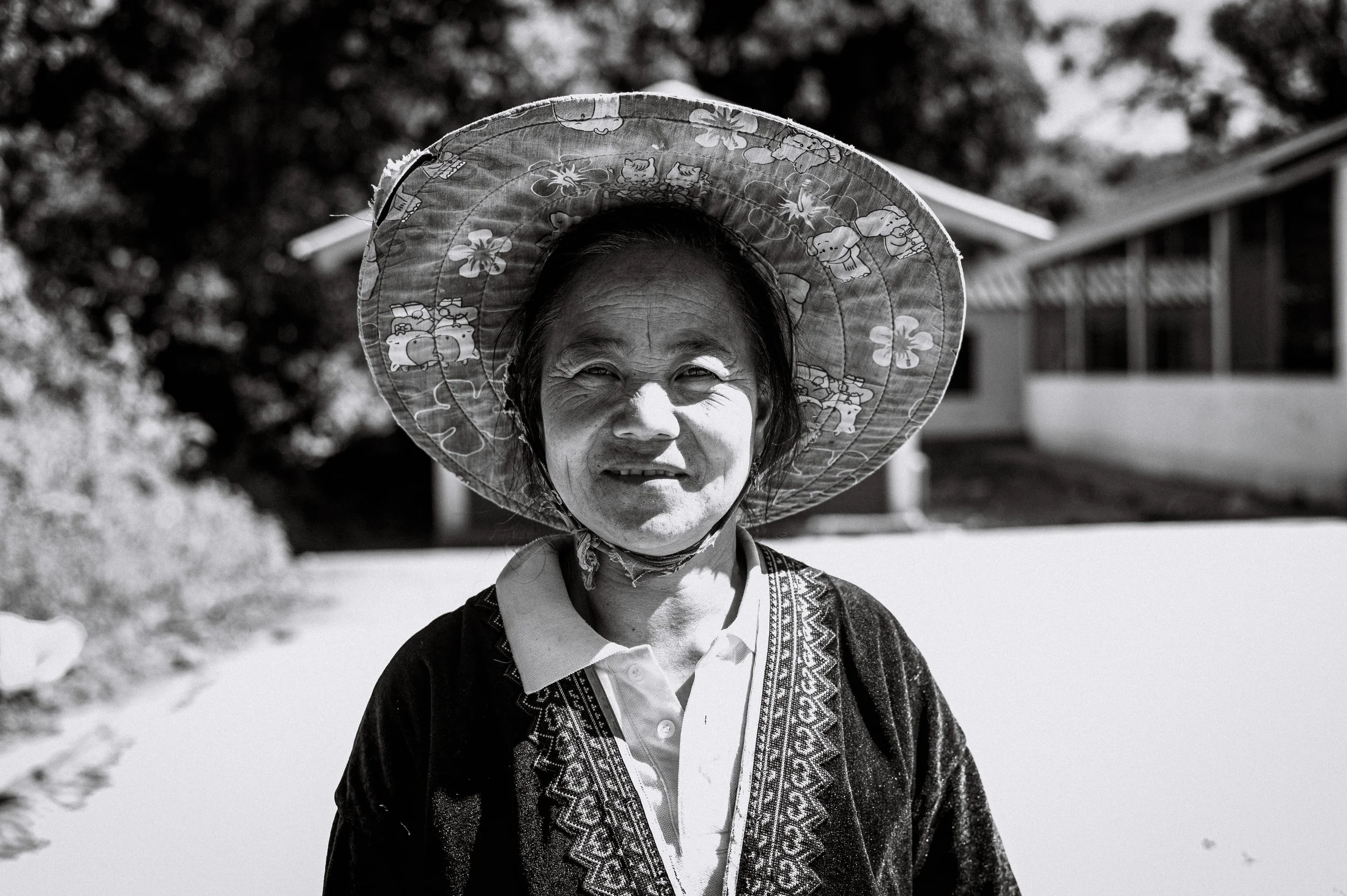
© David Roberts | Chiang Mai, Thailand 2018 | Leica M9 | Leica Summicron 50mm f/2 | Adobe Lightroom
Of all the things that inspired me, my next move in March of 2018 (I will never forget, this was the year that left Europe in a blanket of snow) laid the ground for everything that came after. I was feeling high on praise, getting good feedback from the community, and getting some coverage by the YouTubers of the time; Matt Day, Ted Forbes, Nick Mayo whom I would like to think is now my friend, despite not all that much recent contact (hi Nick, DM me!), as well as institutions such as Leica Society International, Monogram Asia and the fledgling social accounts for Leica UK, PolarPro, Mirrorless Geeks, and a few nostalgia driven collector accounts. This was back when a feature was a big compliment, and social accounts generally ran in-house. It had me positive about my work, and I was aware what I was doing had potential — but also aware that potential was unmet. Gear was still at the forefront of my work, the exploration for aesthetic overwhelmed the work itself, despite having a natural depth that came from my love of Asia. Nonetheless, any meaning was retrospectively added and the pursuit was one of progress through participation. Knowing what rung of the ladder you are on is the best thing any photographer can do, self-editing is a priceless skill. Sat in my Chiang Mai apartment, a week after I should have left with Heathrow shutting down flights left, right, and centre, including ours (and a bank account a few thousand lighter without the flight to show for it), I made the decision to sell the M9 and the Q. I DM’d my friend who owns a camera store, and said “I’ll take the Hasselblad, keep it for me.”
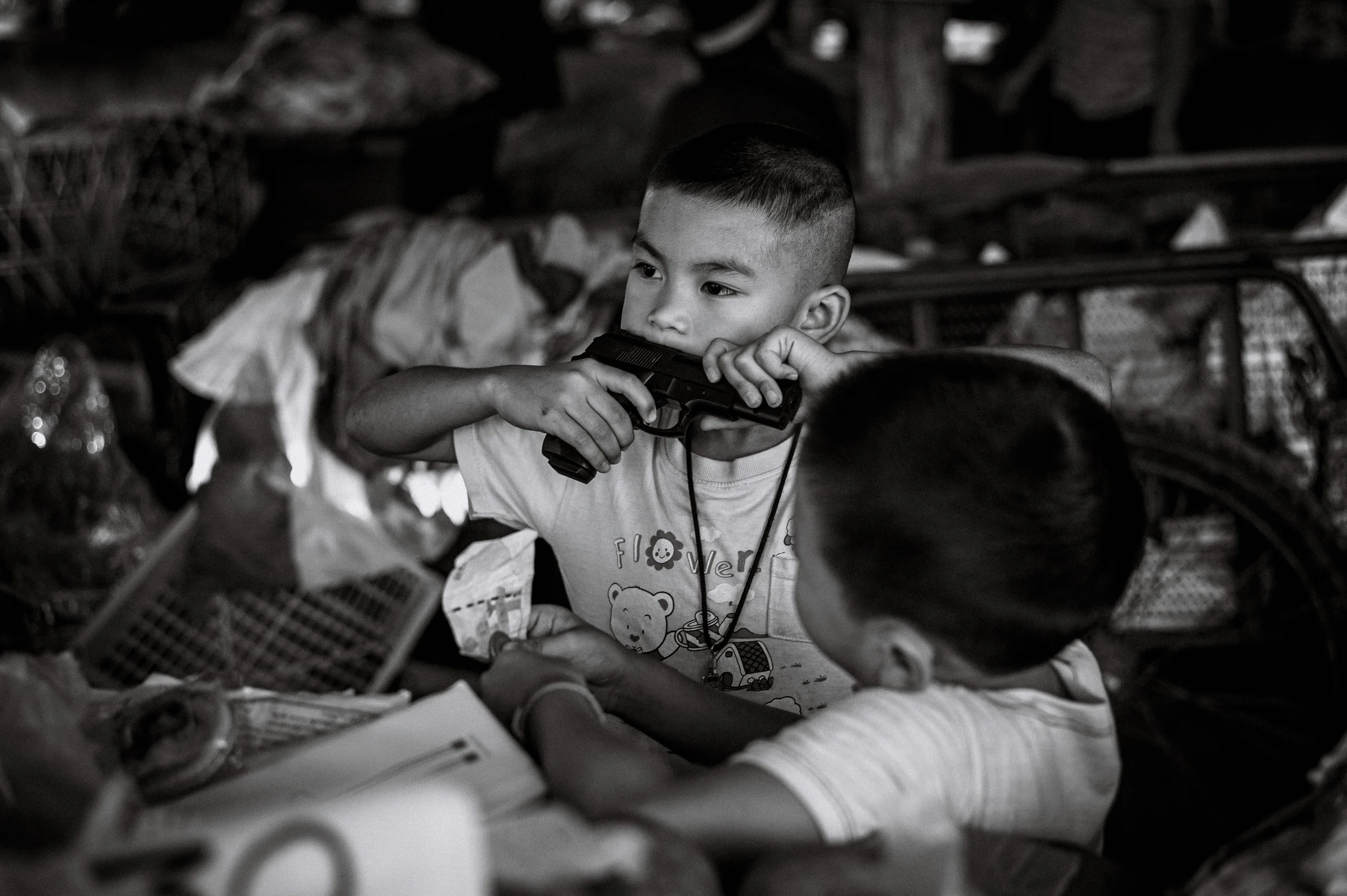
© David Roberts | Chiang Mai, Thailand 2018 | Leica M9 | Leica Summicron 50mm f/2 | Adobe Lightroom
Everything in life seems to happen at once, a convergence. It’s a pattern I have seen repeatedly, not just in photography but in how humans are transient creatures, even when sedentary. The idea that life is dictated by seasons is one that I will likely explore — in my final winter. But this was the signs of my first autumn. It began beautifully, but ended as all autumns do. I’m British. My dad was an Englishman, and I was brought up across the United Kingdom, therefore I never quite identified as just English. I spent an equal part of my life in Thailand, but I never really saw Thailand as home at this point. So it was no wonder that my first project I proactively chose spanned my European heritage, specifically Rome. Where is the thread? I grew up mainly in the Welsh Valleys, and let me tell you if there is one place in this world that doesn't have a whole lot going for it, it’s there. I could never identify as Welsh, nor the complaints of the people. The fierce national pride was never mine to co-opt. What I did connect with though, is the Roman history of Caerleon, Bath, of the whole Southwest and the river Avon. My first project was to be Rome, Pompeii, and Constanta — the heart, the remains, and the very edge of the Empire. As I said in the previous part, Japan, Thailand, Taiwan, that all felt so close, so easy. Europe felt foreign and fresh. The aesthetic I chose came from what may possibly my only real apples to apples inspiration in photography. I had by this point eliminated much of my ignorance surrounding photographic history and practitioners, with obvious parallels to Bresson and Moriyama. Yet somehow, I never felt like my work belonged in the same space as those masters; that is until I acquainted myself with the work of Sabastiao Salgado. I knew then that the project had to be shot on Tri-X, and it had to be 6x6. I wanted platinum-palladium prints, not scans. I wanted images you could fall into. So from one-hundred-and-one cameras, I was left with my Leica M2 and 35mm Summaron, a Hasselblad 500CM with a Carl Zeiss 80mm Planar, and boxes of Tri-X.
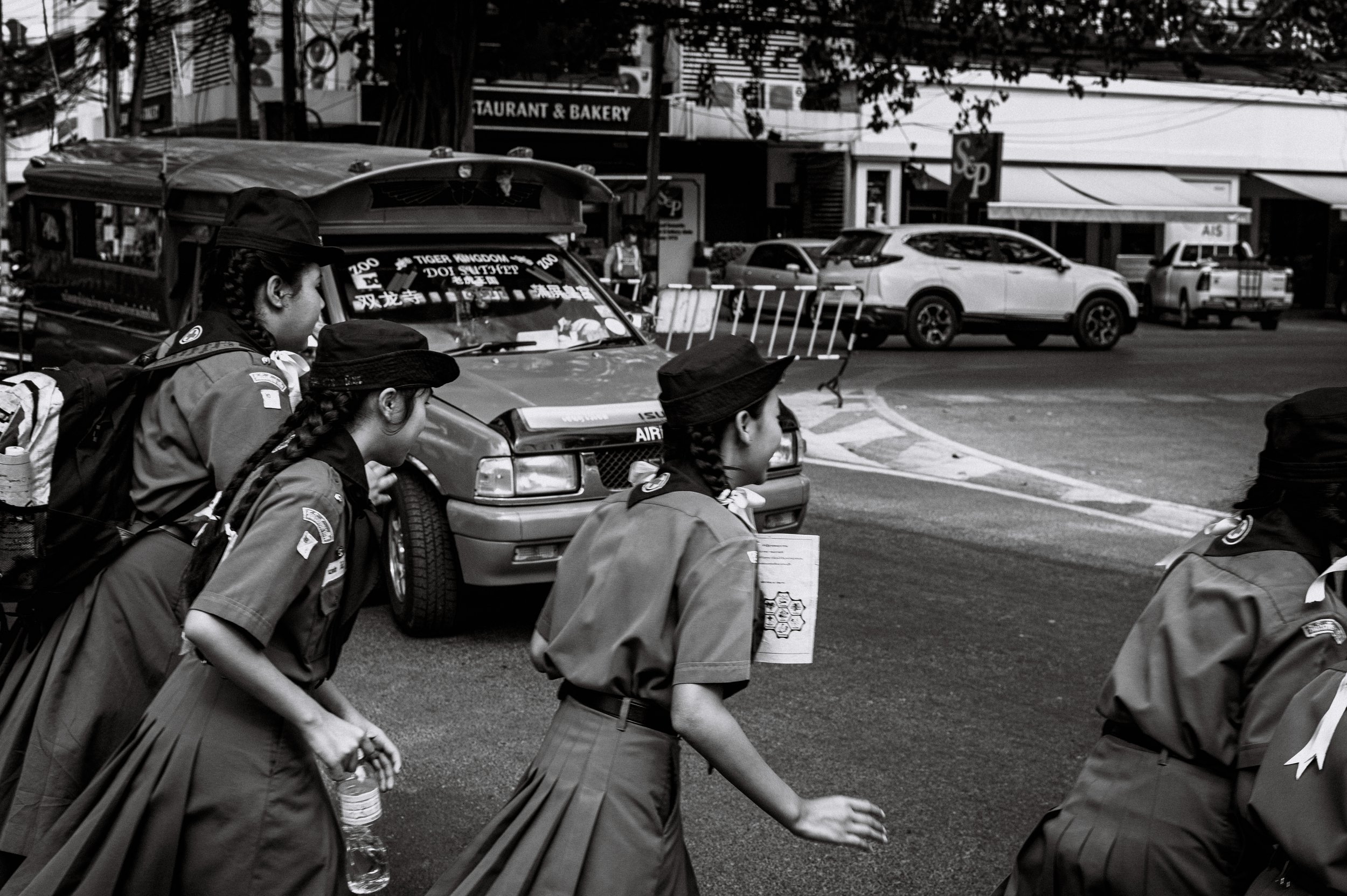
© David Roberts | Chiang Mai, Thailand 2018 | Leica M9 | Leica Summicron 50mm f/2 | Adobe Lightroom
It’s 2025 as I write this, and you all know I no longer shoot film. This is why. I love film, I love what it represents, and I love how it differs from sensor technology. I love the fact that only film can provide a true physical exposure, digital is just a collection of data. With film, you get a moment of time and light frozen in cellulose. There is a magic to that, a magic that gets me excited, excited that the human mind is so powerful to invent such a thing. The same collective mind that put a man (and a Hasselblad) on the moon. Yet just like the Leica, it proved to me that it had no place in a serious photographer’s life — not due to any inherent flaw, but to the lack of knowledge and awareness of the craft that remains. I couldn't tell you how much I spent, on the Hassie, on the (plane, train, and automobile) tickets, the Airbnbs, the opportunity cost of spending months gallivanting instead of earning, and not a single exposure from my roll film survived (though some canister 135 did albeit with extreme shifts). Constanta airport decided that they would X-Ray my film, no matter how I pleaded. Worse, they didn’t even give me the choice to return and find another way home. Security just threw them in a basket, said it would be fine, and pushed it through. Perhaps the world is safer now because of such stringent measures, but my film was not. Never again. I stopped shooting for almost a year. Seriously at least, I bought myself an X-T1 for pennies (£250 maybe?) and went back to thrifting vintage glass. I couldn’t keep away entirely. But I left social media, it had already begun to turn. I even let my website expire, and friendships within the community were lost. I had no heart for it. At least, for a moment.
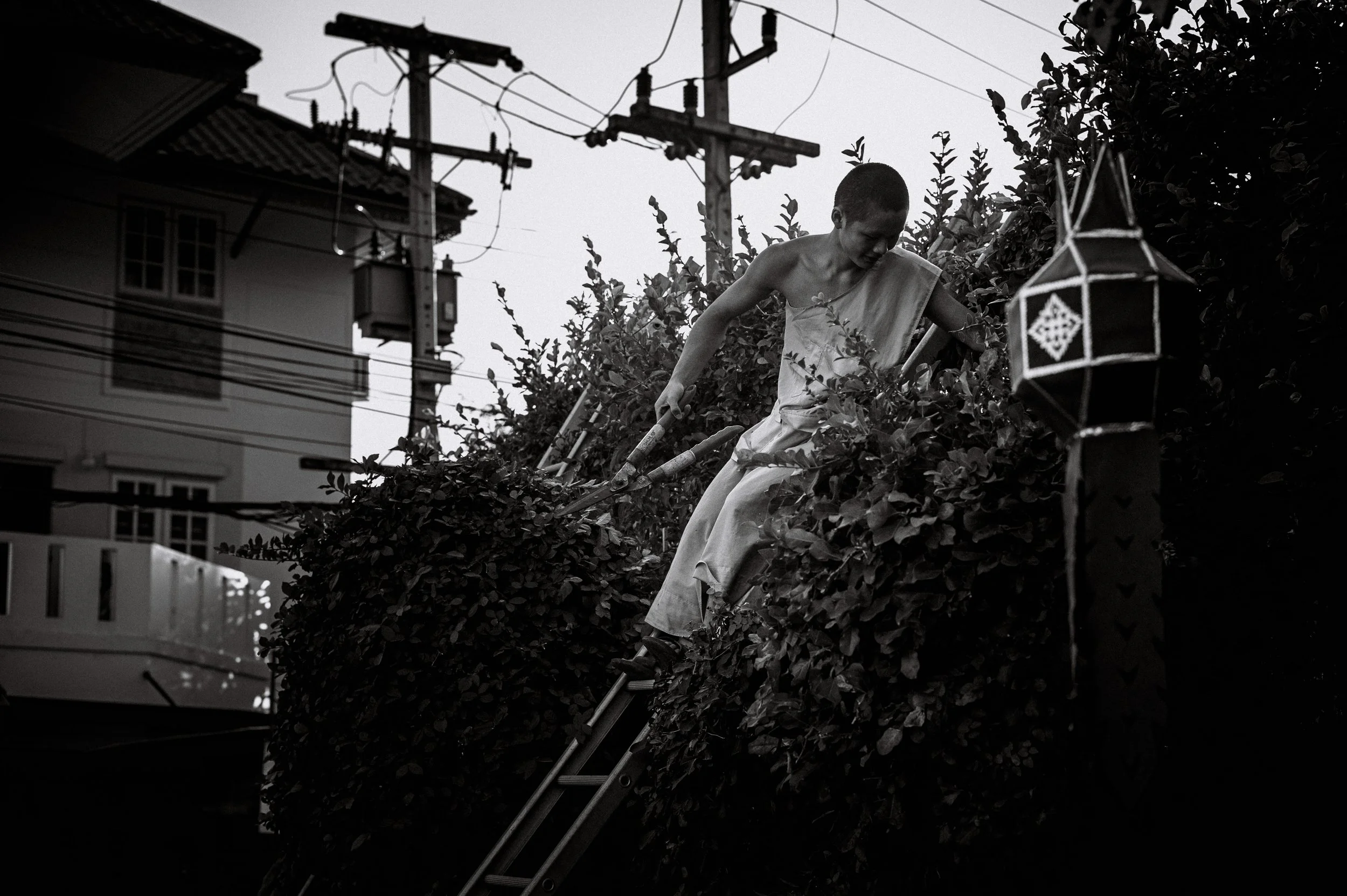
© David Roberts | Chiang Mai, Thailand 2018 | Leica M9 | Leica Summicron 50mm f/2 | Adobe Lightroom
February 2019, I had found my way again, and a ticket back to Chiang Mai. Between summer of 2018 and spring of 2019, I had grown a small collection of cameras, mainly second-hand deals and thrifted lenses, as well as a few sales items I couldn’t pass on. I had the Fujifilm X-T1, a Sony A7, surprisingly I had a Panasonic G70, as well as a few small cameras such as an Olympus Trip and Mju (before they blew up in price), and I re-purchased the same Yashica Electro I traded in. No that’s another lie, my camera store friend gave that back to me (odd, I seem to get gifted Yashica cameras, as my friend also gave me a 124G before he left for Shanghai last year). I also went on the hunt for black-paint brass-bodied Pentax cameras and found some really nice ones (again, now impossible), a Spotmatic, S1a, SV and an immaculate SL. I had numerous lenses by then, mainly M42 German stuff, and a few Exakta ones that people practically gave away — ten quid for a 135mm Sonnar! My year off was probably a good year for a hobbyist in terms of acquisitions, mainly just personal images made though. But what I did was revisit my Japan images, and Japan begun to feel like an itch I couldn’t quite scratch. Japan has never been easy to travel to, not until recently, so Thailand was the goal. From there, like always, I could quickly and affordably jump off to anywhere in Asia. February 2019 I left for Thailand. Unless you live under a rock, you know what that meant. I had booked three months in Hiroshima when the news came in of the cruise ship, the first international and public case of quarantine. Up to this point quarantine was for animals and zombie films. What do you do when something like this happens? Japan is historically and notoriously strict, with post-pandemic tourism an anomaly in their history of immigration. My then-girlfriend was scared. Yes, I was Thai, but she wasn’t. She saw no safety net, and wanted to go home. So we did. Though we owned no home, we went back to Wales.
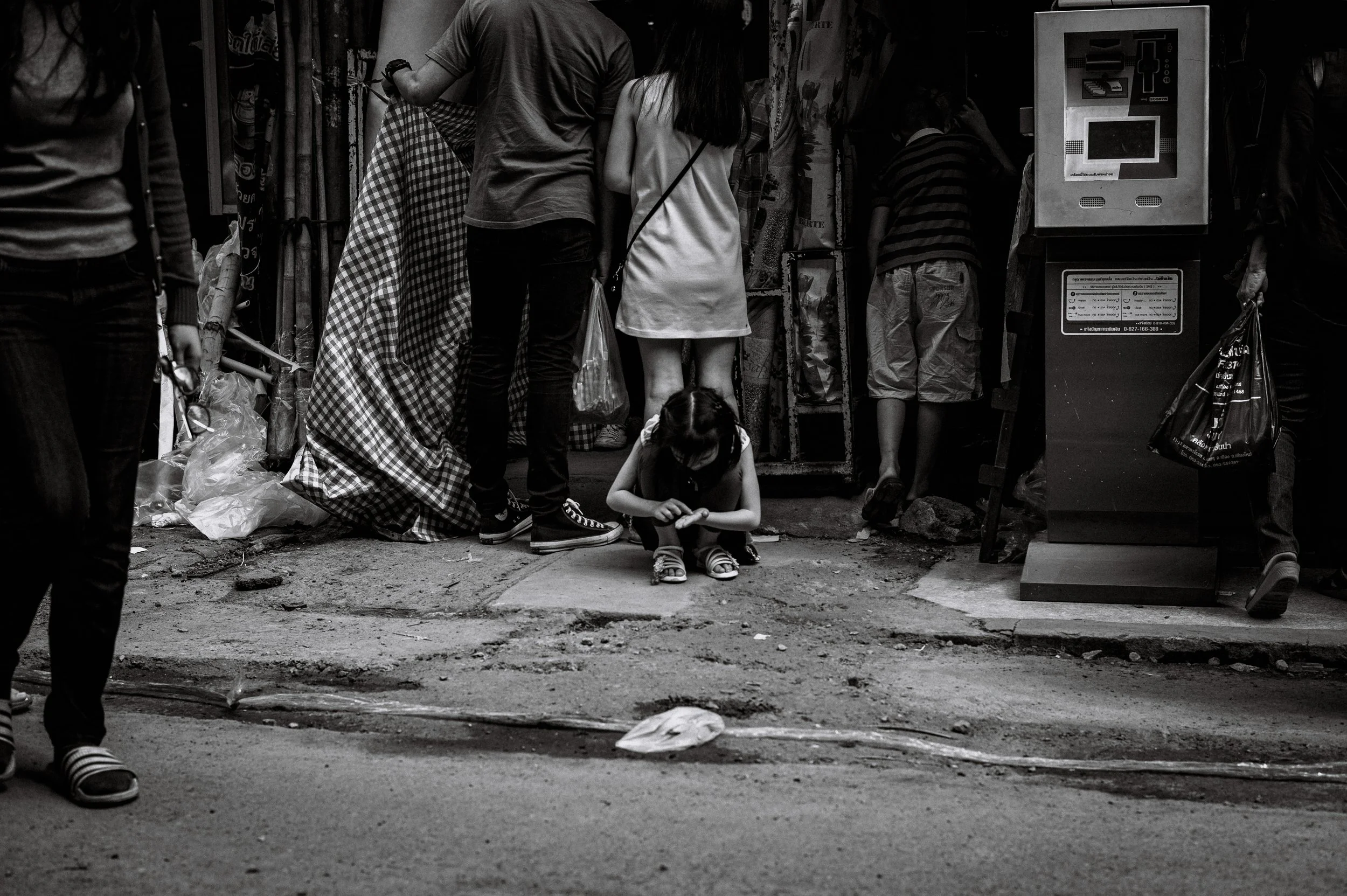
© David Roberts | Chiang Mai, Thailand 2018 | Leica M9 | Leica Summicron 50mm f/2 | Adobe Lightroom
It is worth noting that before going to Thailand (and consecutive plans for Japan), I did indeed re-equip myself though DRobertsPhoto.com remained offline. I still had my Leica and Hasselblad, but in the time between I had upgraded the 500CM mirror box to a late model in better condition complete with new Fresnel glass, along with a new lens for the Leica; a Carl Zeiss 50mm f/1.5 Sonnar, notable as my first real pivot away from Leica glass on M bodies. I had the Serenar (from Canon if you remember) but that went with the X-Pro2, and was replaced with the Summicron 50mm on the M9. I couldn’t quite let them go even after Romania, but when the time came to move again I traded them for the then-new Sony A7RIII — a huge upgrade compared to the A7RII — along with the then-new Batis 2/40 CF. I made use of dropping prices to re-purchase almost the exact same kit as I started with; a Sony A7RII, ZEISS Loxia 2/50 and the 1.8/85 & 2/25 Batis lenses. I had begun to purchase some lenses for the X-T1, and had a 35mm f1/4, so decided to get an X-T3 (giving my Fujifilm kit a fighting chance in 2019). With that came a Fujinon 16mm f1/4 and 56 f1/2, and I found my Pelicase full once more. I had everything one could need to make almost any project imaginable. When we decided to go back to the UK I decided that was it. I was done with photography, it just wasn’t meant to be. So I sold it all, lucky I did too because who would have had any idea what was in store for us… basically imprisoned under house arrest (with prices increasing weekly) for almost two years under the guise of social good.
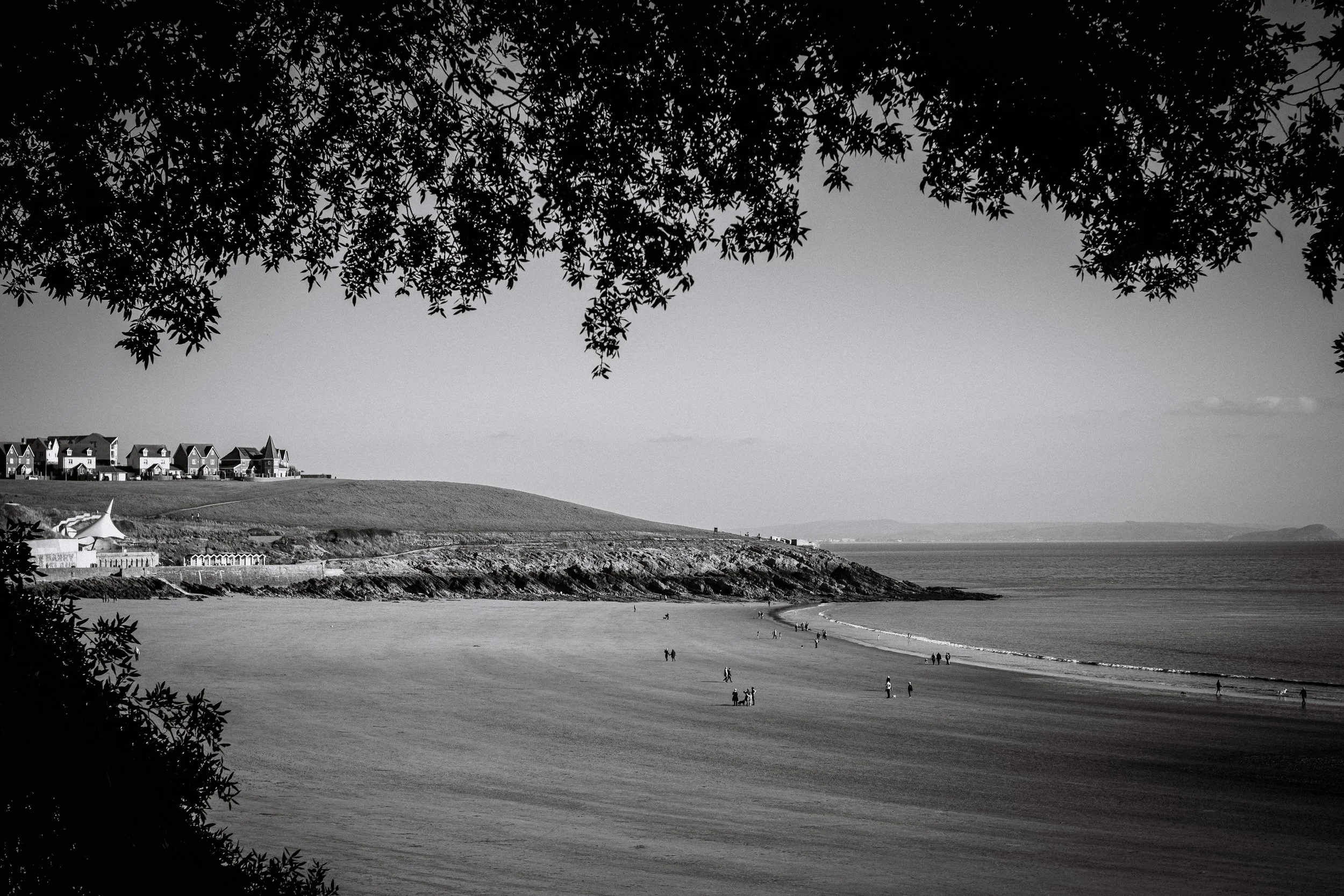
© David Roberts | Wales, UK 2018 | Fujifilm X-T1 | Canon FL 50mm f/1.8 | Adobe Lightroom
The pandemic was not an easy time, and economic failures are magnified in areas of low income such as Wales. I am not sure I would have survived it had I not liquidated my gear (that was around 12-18 months at the local wage) but my personal possessions too; my Rolex, my Omega, My Panerai, my Type R that I wanted since I was a child… What was once a good base turned hostile (again, these cycles appear almost one-for-one), but as time went on and measures slowly lifted, I found my way back into photography. There wasn’t a lot to do during the pandemic other than consume, so consume I did. Not YouTube, not Netflix, but literature and art. All those things I would do one day, I finally did. I read Dune after trying for years, I discovered cyberpunk through Neuromancer and the rest of the sprawl, understood it through Stephenson and Snow Crash, lived it through Akira, Ghost in the Shell, Battle Angel Alita (the manga). I fell in love with Japan (again) through Hiroshige and Hokusai to Inio Asano, Shuzo Oshimi and Naoki Urasawa. I read, really read, Dazai, Lovecraft, and so much more. I found Patrick Brown’s Trading to Extinction — and realised if he could do it, why can’t I? After all, Thailand is my home, and after all, the UK has failed me. I went deep into manga, into ink work. I went even deeper into music, where my tastes once stopped they exploded, Behemoth and Nergal, his fight against censorship and cancer. Matt Pike, Brent Hinds, Kirk Windstein, heavy, grating, dark — and rustic. That’s what I wanted to make, imagery that mattered like Patrick’s, imagery that flowed like manga, imagery that fought like Nergal, and imagery that was heavy, slow, and rural like Sludge. Tell me, did I do it?
Legal & Ethical Disclosure
Archive Record: Shot in 2018 in various locations within the UK and Thailand.
Technical Basis: Presented in the pedagogical context of showcasing the evolution of equipment used by the author.
Operational Standards: The camera was not concealed; imagery was made in public spaces and not contested at the time of capture. No portrayal was knowingly in false light. Verbal consent was gained at the time of capture for all portraiture.
Non-Commercial Status: This article is not monetised.
PDPA Compliance: If any person depicted objects to usage, the image will be removed uncontested as per Thailand's PDPA. Requests may be submitted via the Contact page.