
A photographers gear (camera, lens, tripod, bag, or even a favourite filter) holds a special place. I don’t subscribe to the “Gear doesn't matter” chatter, I think that is as much an ignorant outlook as believeing that the gear does indeed matter. I love gear, as should anyone who takes the technical aspect of photography seriously should. However, what I love less is people believing that the gear is the goal, and not the image. Hell, now as I say this it sounds absurd that even a single image is the goal. No, a good camera is like a good horse, or in the wake of 2025’s dystopia more like Mad Max’s V8 Interceptor.
part one: 2016-2018
I’ve been journeying through this wasteland before I even realised how barren it was. Many may consider me privileged, I consider myself starting on the back foot. My friend started shooting at around sixteen with the obligatory Canon Rebel, I didn't. I’ve used Sony products for a long time, Vaio, Eriksson, Walkman, Playstation, Bravia, etc. Sony to the average consumer of the noughties stood for quality — so it was no surprise that my first camera was also a Sony. My then-girlfriend had some cameras (Sony A58, A5000) and took more interest in photography than I, so I bypassed the whole first-tier as I used hers enough to justify purchasing my own. This was around the time Mirrorless really began becoming a thing, or about six years before it became a thing depending on where you stand. I remember seeing adverts for the Sony A7R, high resolution at 36 megapixels and “Full Frame.” It seems pretty inconsequential now, but back then that red R really meant something. I probably could have got my hands on something far sooner, but that was the one I wanted and I didn’t settle for less. However, by the time I had enough for this camera (that in my minds eye was probably the same as a boomer lusting after a Camaro with a big block Hemi), Sony released another. Matte black this time, with a larger grip an 42 megapixels — basically unheard of! So yep, at the age of twenty-four (a whole eight years after most) the A7RII was my first camera.
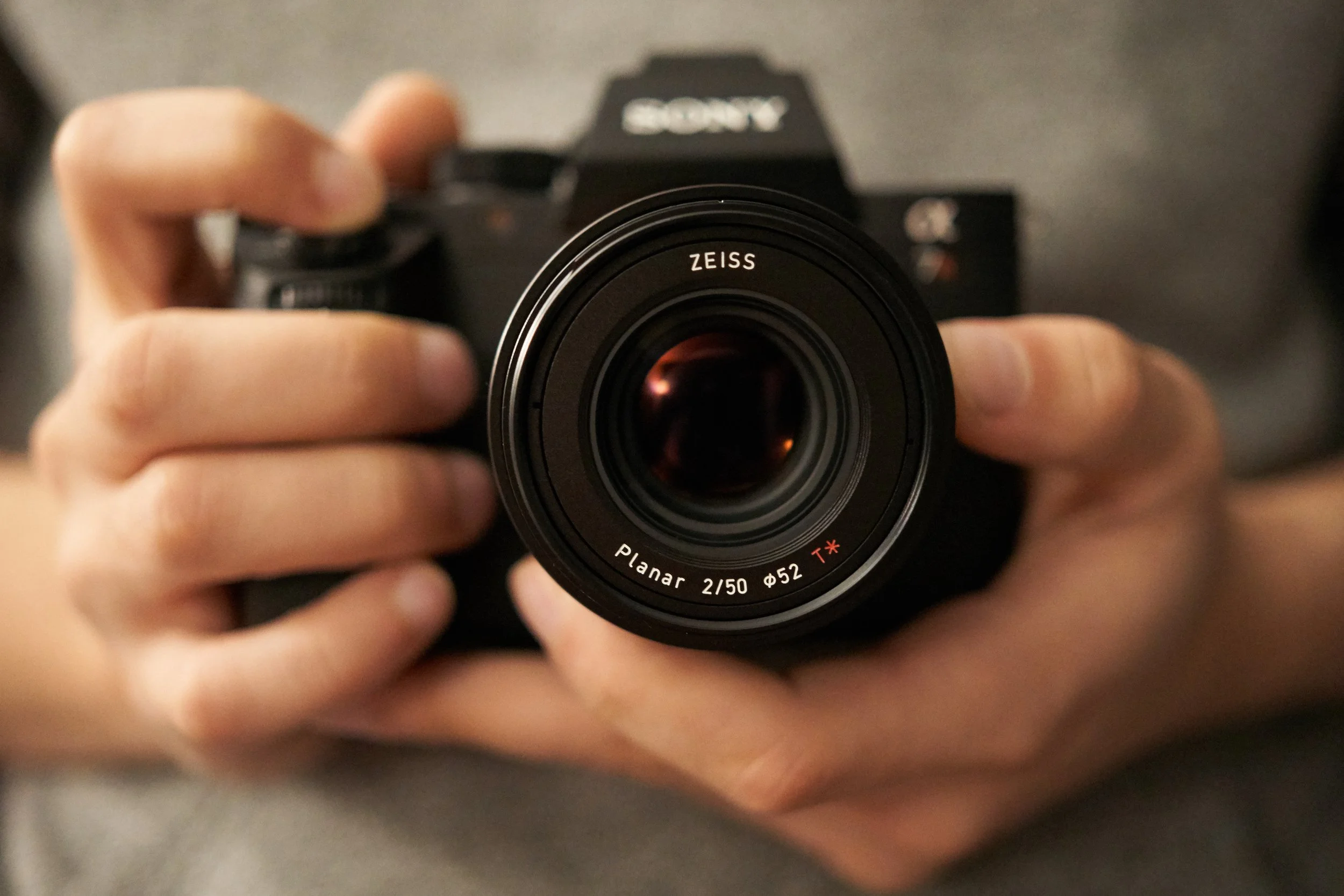
© David Roberts | Wales, UK 2016 | Sony α7RII | ZEISS Loxia 2/50 | Capture One
I took to it like a fish to water, I’ve always struggled interfacing with a Guitar, or Bass, but with a camera it felt immediate, visceral. Closer to the relationship I had with my Impreza or my MX-5, than an Ibanez or Jackson. I've grown up on visual media, grew up with cinema, comics, games, and a plethora of different art sources outside of the media studies curriculum of my friend. Still to this day, I believe this is where my north star lies, I see very little worth imitating within photography itself. I would take Bosch or Escher over Bresson or Cappa, Amano over Adams. And at the time, I had a real thing for the Netflix Marvel shows. I loved how gritty and organic Daredevil felt, and I chalked much of that look up to the ZEISS primes being used with RED Digital. It was a look that was neither clinically digital, nor filmic. If anything it was closer to something like Collateral from Michael Mann. A the same time I was watching a guy called Christian LeBlanc make a YouTube channel on backpacking through Asia after doing a student exchange in Bangkok. It was the first time in years that I saw Thailand as I knew it, rather than a Thompson Holidays advert. Thus began my second obsession, and the ZEISS Loxia 50mm f/2 manual focus prime became my first (and for a time—only) lens. From the first purchase I was buying into something far greater than the spec sheet. Opportunity, possibility… perhaps a few grains of magic dust to sprinkle on my own work.

© David Roberts | Bangkok, Thailand 2016 | Sony α7RII | ZEISS Loxia 2/50 | Capture One
And my images were terrible. They chased Conde Nast and Lonely Planet, and for the life of me I don’t know why. No that’s a lie, it’s because that’s what every online tutorial, every online expectation from a trip to Thailand was, and worst of all? That first time was a trip, a holiday. It wasn’t the return home I had imagined, yet I couldn’t let it go. I counted the days to my next flight back and for once I studied photography. Just a touch, and just enough to know that perhaps, perhaps I wanted a Leica. I wasn’t quite ready to fall down that rabbit hole, no EVF was scary, sure I shot manual but what happens when the only option is to shoot manual with no live-view? Even the SLT (Single-Lens Traslucent Mirror, a precursor to Mirrorless) A58 had a live view EVF. Why would I want to go back to an 18 megapixel sensor of the M9, when I already had 42? So I played with old lenses, Pentax, Meyer Optik, Cosinon, and yes more Carl Zeiss. I understood very quickly that lenses were the largest part of the image making process, and my experimentation with (then) cheap vintage optics gave me a hunger for more. My ZEISS Loxia was not my only lens by that point, I had bought a Voigtlander Super-Wide Heliar 15mmf/4.5 after having seen it used with the a7S as a helmet cam on Syfy’s Z Nation. Notable as possibly the first time consumer Mirrorless product were used on a “real” production. That brought me E-Mount lenses up to two. It also taught me that focal length matters in an immediate way. My first year in the hobby was a year of experimentation, and a year of longing. that all changed in 2017…
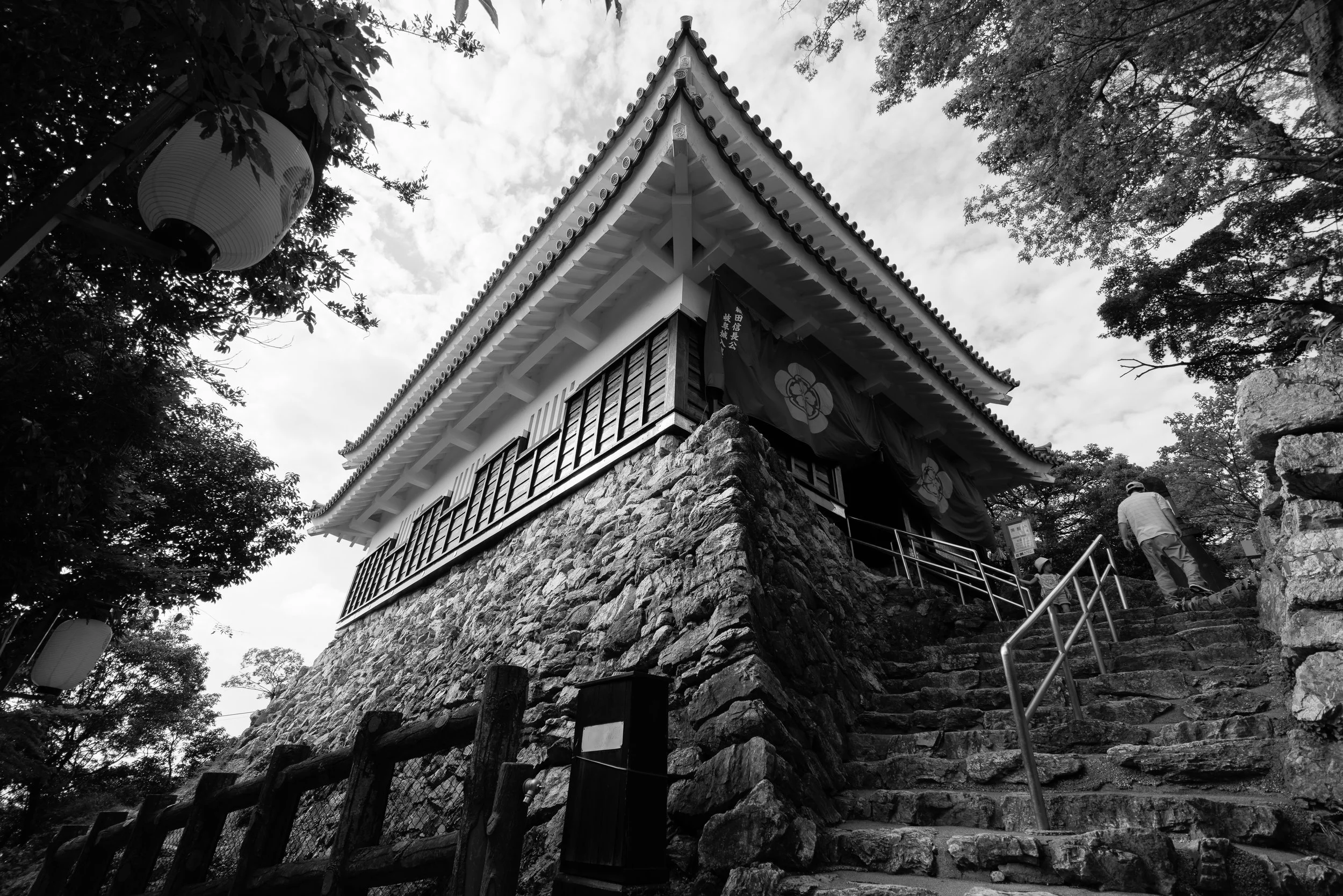
© David Roberts 2017 | Gifu, Japan 2017 | Sony α7RII | Voigtlander Super-Wide Heliar f/4.5 | Capture One
2017 was the beginning of the short-lived Digital Nomad era, finally tools caught up with the intent and less and less of us were content with our lives in the rat race. I sold everything I owned, my multiple cars, my house, my vast media collection (that would all now be worth 3-5x more than when I liquidated—thanks Covid). I’d gotten to know my local camera store very well in the interim between decision and departure, and I went all in. I knew I had something, to say, to scream, to whisper… So I bought it all. I bought a Pelicase, a Leica M2 with 35mm Summaron from 1960, the brand new Leica Q, Fujifilm X-Pro2, Fujifilm X100IV, A6300 and a plethora of lenses, the f/2 “Fujicrons” which at the time were the 23 and 35mm, the then new ZEISS Batis 25mm and 85mm, and last but not least my trusty Billingham Hadley One that saw every camera since. I also bought the DJI Mavic drone, and this weird new invention — the Zhyun Crane. No, I can’t ever really say I was a starving artist, and when it was a hobby it was actually far easier to justify purchases due to wanting them. Now everything needs a reason, everything needs a purpose. I miss that blatant disregard that comes from ignorance. Space was still a premium so I let my expansive collection of vintage glass go, perhaps it traded in enough to pay off a lens (and would be worth a small fortune now). I was now ready for life on the road.
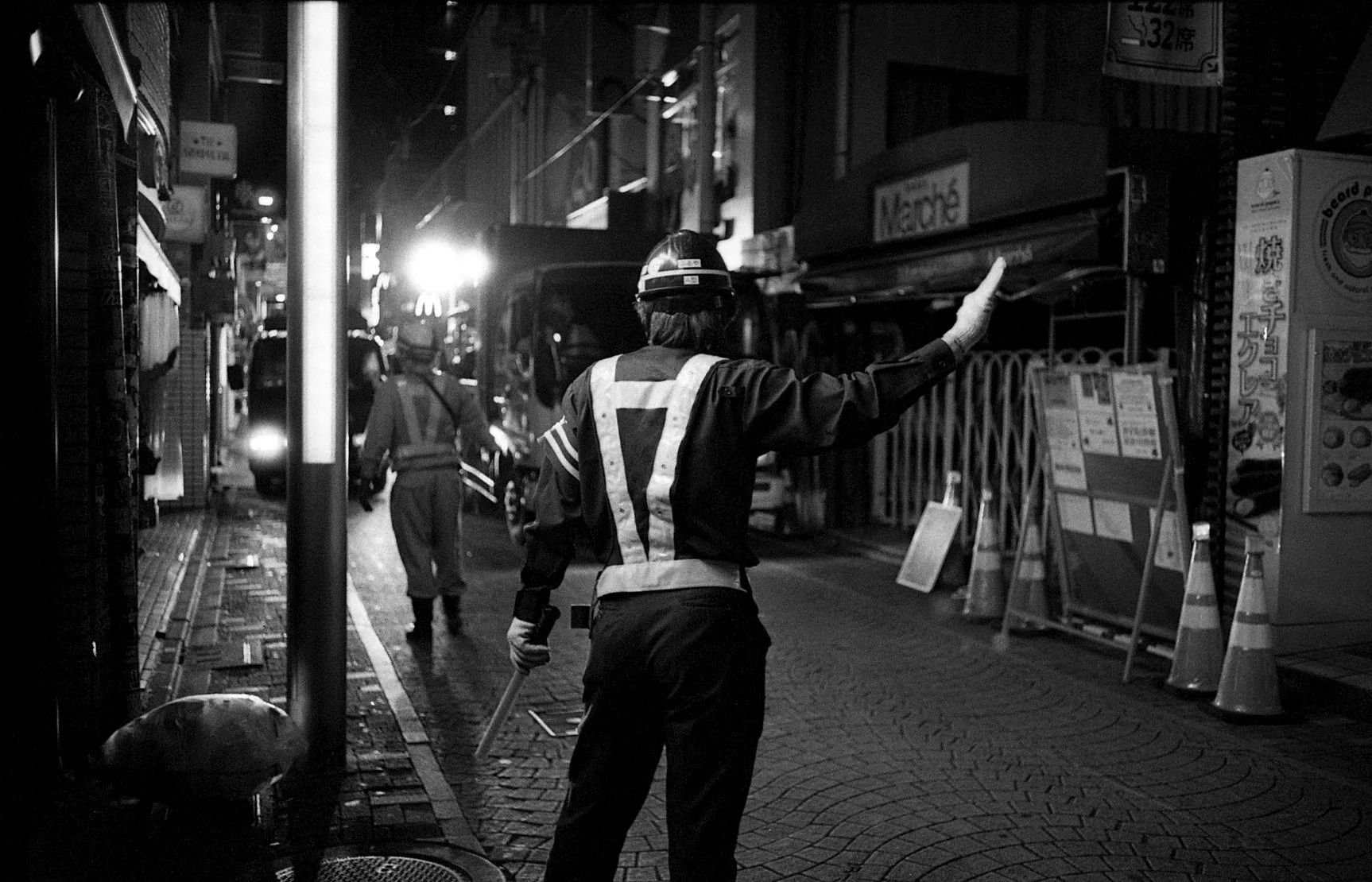
© David Roberts | Harajuku, Japan 2017 | Leica M2 | Leica Summaron 35mm f/2.8 | Ilford HP5 Plus 400
That’s probably not even a quarter of what I have used in the nine years since, nearer to ten percent. And I mean used, not tested, not reviewed; used. That’s why I find these this vs that arguments both trite and hilarious, and why I refuse to fanboy. I get it, when you put your hard-earned money into a thing, then you will feel especially precious about it, and being given something to test for free, doesn't evoke those emotions. I've stood on both sides of the fence (having reviewed and tested my fair share of keepers and loaners), but unlike most you will come across I have put my own money into finding and figuring out what it is I wanted, and if that even exists. There was a time I was a resolute film shooter, it happened just after I arrived back in Thailand for the second time. I bought the Fuji’s as a toy, they were literally cheaper than a second lens for the Leica, and they punched well above their weight back then. To my surprise, they were more tool than toy, and more tool than the Sony. All the teething problems of the E-Mount just didn’t exist there, proper weather sealing, two card slots, a battery that lasted more than an hour, even the autofocus was worlds ahead (and the last time that was ever true). I’d just started Instagram, and that was the first time I ever used DRobertsPhoto, as a handle. I fell into a community very fast; Beers and Cameras, before that blew up, Japan Camera Hunter as Bellamy was finding widespread internet-fame, Nick Mayo who ran Nick Exposed — one of the best YouTube channels one could ask for on photography. I learned very quickly the aesthetic I wanted was from cellulose, and the ergonomics I wanted were from my Fujifilm. Cue Japan…

© David Roberts | Shinjuku, Japan 2017 | Fujifilm X-Pro2 | Canon Serenar 50mm f/1.8 | SilverFX
Japan, yes If I could pinpoint a single period of time where everything came together it would be the summer of 2017, and the streets of Shinjuku. The M2 happened to be the best decision, with the 35mm framelines and f/2.8 Summaron being far more forgiving than a fast-fifty. I had shot ACROS on my X-Pro for a few months at this point (and we have to remember, moths straight full-time, no weekend warrior bullshit) and when I saw the real thing lining shelves in Yodobashi Camera, I stocked up. It was such a clean film, and the exact opposite of the HP5 Plus look that dominated both my early work, the Shinjuku scene and the film communities I was a part of. It was as if I had inverted my priorities, from gritty digital to clean cellulose. What never once changed is the chase for that ineffable space between digital and film. At that point in my life a week felt like a month, and a month felt like a year. An afternoon could be a different day to the morning, and everything was new to me. It might sound surprising post-pandemic, but back then you could walk into a store and just buy something. If I wanted to try Rollei Retro 80S? I could eat a McMuffin, cross the street, buy a role — shoot it — and get it developed and scanned before I was hungry again, and by the time I had my next meal I would have had feedback from the online community. No, that isn’t an exaggeration, it really was the case. Even lenses, I bought one of my favourites that I shot a whole zine with for less than a hundred dollars off the shelf at MAP Camera. The adapter to fit it to my Leica costed more than the lens. What is that lens? The LTM (Leica Thread Mount) Canon Serenar 50mm f/1.8 from the late 50’s, and I was using that years before YouTubers found out about it, and decades after reportage photographers of the 50’s. I loved it for the same reason they did, but sorry folks you won’t get one for that price anymore.
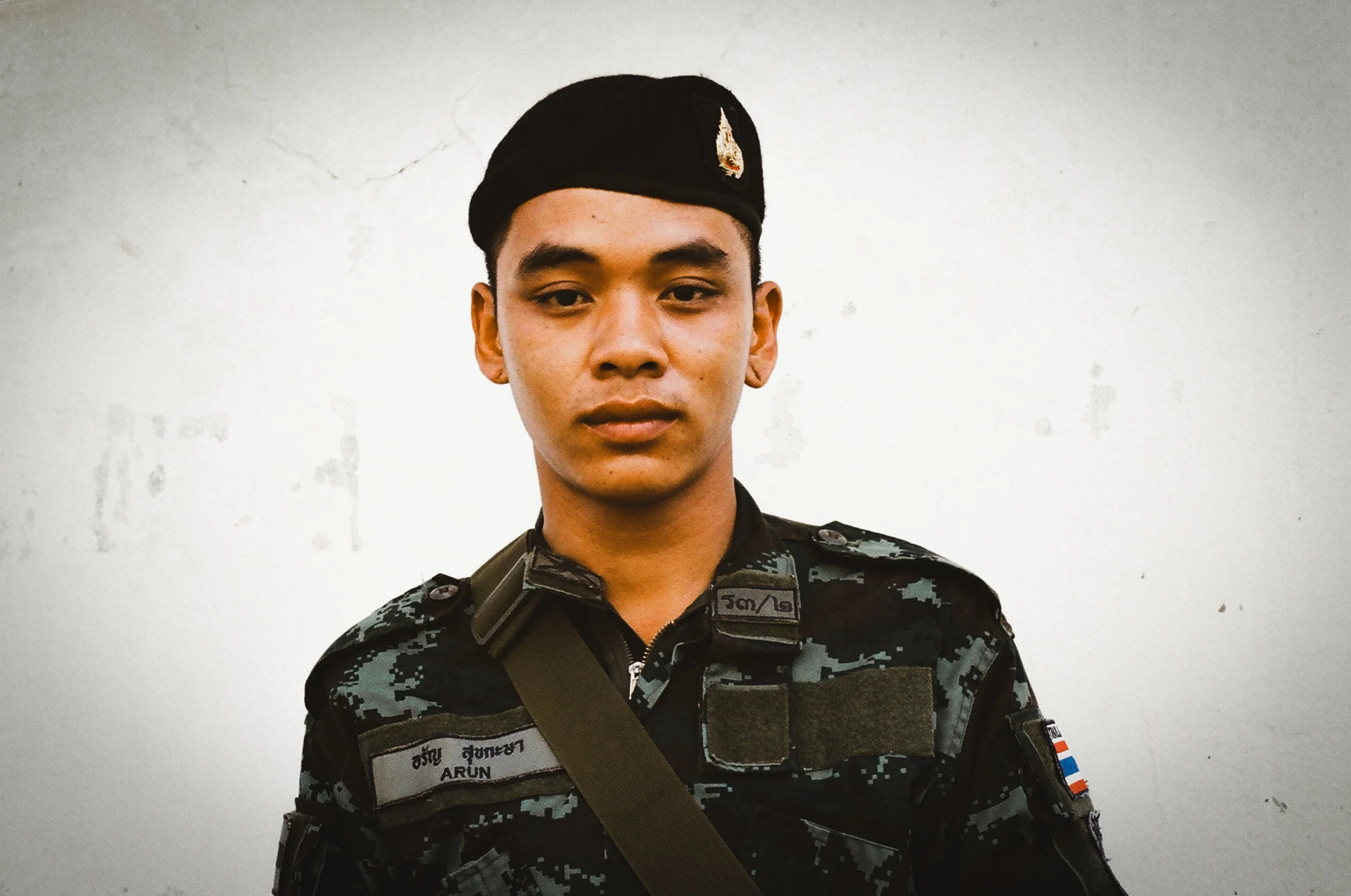
© David Roberts | Udon Thani, Thailand 2018 | Contax G1 | Carl Zeiss 45mm f/2 | Lomography Color 100
A year or two passes by with little change, my film collection grew and the only notable addition was the Contax G1, a purchase made in Namba Parks, Osaka and possibly the best concession between wanting to shoot both Leica and Fujifilm, with Carl Zeiss glass to boot. I shot my G1 around Thailand and Taiwan mainly as I bought it on my last week in Japan (at the time it was always just a plane ride away, and a return seemed guaranteed), but I encountered a far bigger problem. It was not fun to take from place to place (the entire arsenal, not the G1), a Pelican 1510, my Hadley One, and over half of my allotted 20KG hold luggage. I joke that I had more cameras than boxer briefs, but the thing is; that was totally true. Some of it had to go. And like always, I put all my chips in. It all went and I got that M9, and of all things a Leica Minizoom. I now had a complete Leica backline, Q, M2, M9, Minizoom. Even my then-girlfriend went all-in and got a CL and R5. They say all roads lead to Rome, and in photography all roads eventually lead to Leica. Many people make many excuses for buying one, I saw it as membership to a club. Suddenly I could @Leica and #LeicaPhotographer… surprisingly my feature on JCH with this exact kit is still high in the search rankings for DRobertsPhoto, higher even than the video we did celebrating Bellamy’s book Film Camera Zen just last year (and where exactly have those twelve months disappeared?). And it began garnering some interest from Leica Society International, Monogram Asia, and even the odd like or thumbs-up from Leica UK (which were worth about as much as a chocolate teapot).
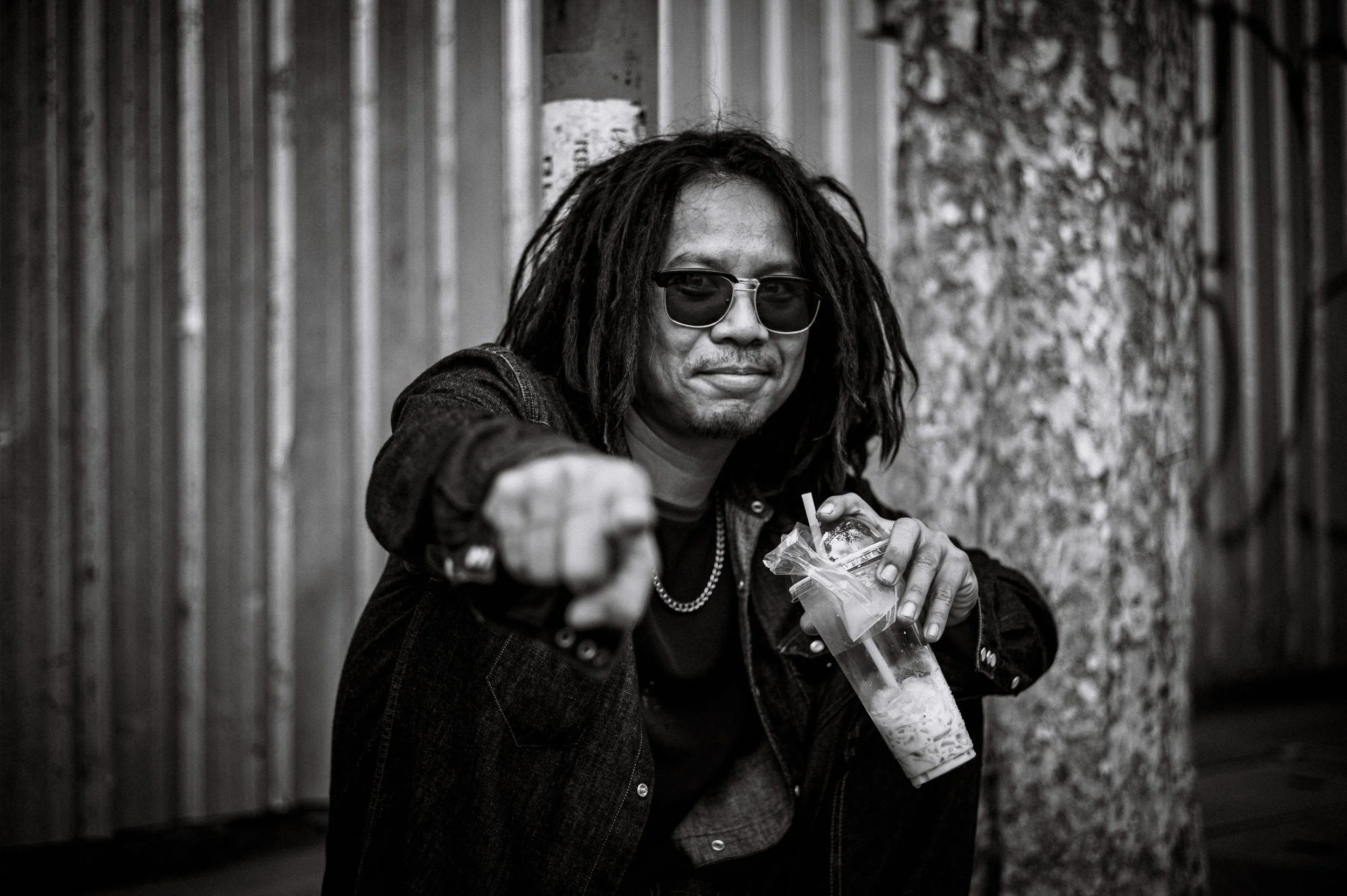
© David Roberts | Chiang Mai, Thailand 2018 | Leica M9 | Leica Summicron 50mm f/2 | Adobe Lightroom
When I critique social media, know that I do it having come from it. I came form the small community hubs (not the peer-reviewed curriculums and classrooms), I was there before the numbers went into the tens of thousands, never mind hundreds of thousands. For many I was there for double digits. I came up (and through) the gear circuit, but never through social media. Despite that, I never knew a creative environment pre-social. I still lust after the environment of my childhood, when you got your info from a vetted source, usually your favourite rag. When companies paid for talent and not audience, when artists told suits to fuck off. My ideals of what social media should have brought to the photographic community were galvanised by extremely positive beginnings. I lament what it may have been were it not dressed up and taken to market. The lies, the deceit, and the spinelessness that I see devastates my morale. I can only image the thoughts of someone wanting to compete truthfully in this environment. All I can do is continue to set precedent, I may not have the numbers of the folks I started running with, but I’ve advanced farther into enemy territory than any. We are past the days of reasonable priced gear, or reasonable minded people, and we are well past reasonable platitudes.